

01
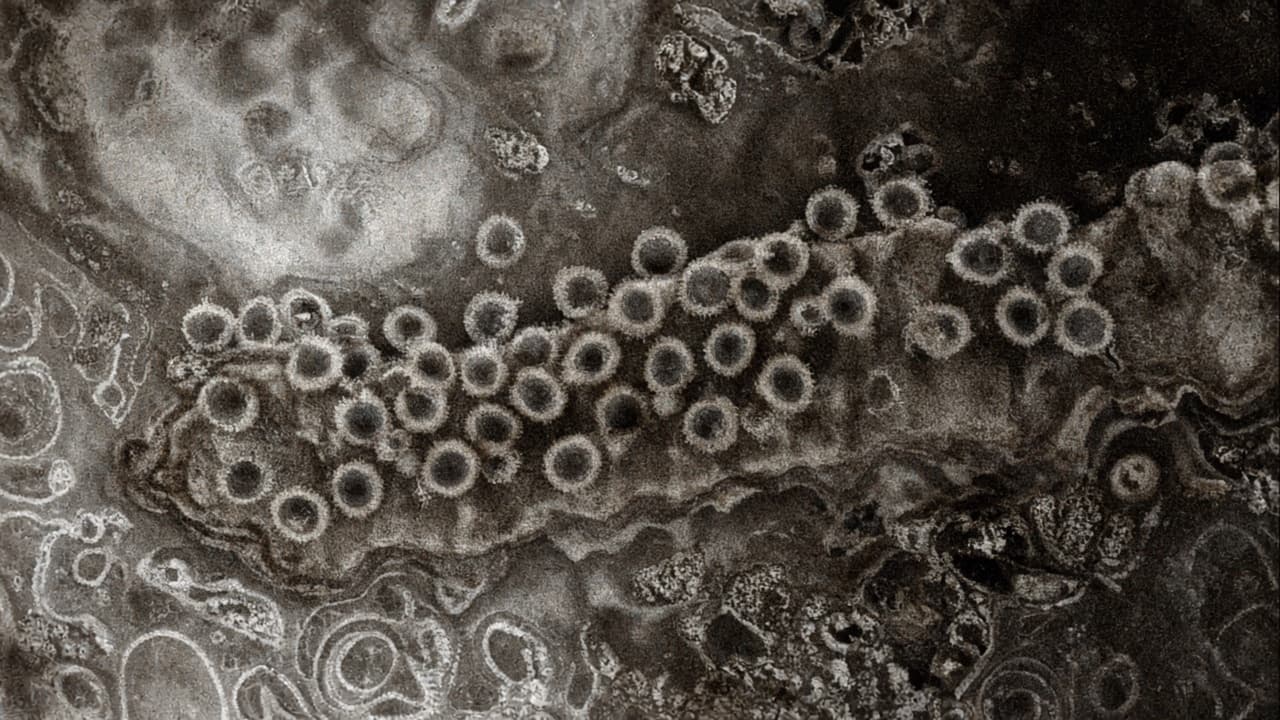
Infectious diseases
Viral entry and assembly at host membranes — HIV-1, dengue and related flaviviruses — from molecular mechanisms to Aedes biology and transmission blocking.
Research
Membrane biophysics at the interface of infection, cardiovascular risk and cancer — including Aedes, Wolbachia and vector surveillance.
We investigate biochemical and biophysical processes at the membranes of human cells and of their viral and bacterial pathogens. A core focus is the two stages of the enveloped-virus life cycle that involve biomembranes — entry of the virus or its contents into the target cell, and formation of new virions — with emphasis on HIV-1 and dengue virus. We also study fibrinogen binding to the erythrocyte membrane and its relevance as a cardiovascular risk factor.
We perform preclinical evaluation of membrane activity and molecular mechanisms of action of antimicrobial peptides (AMPs) and cell-penetrating peptides (CPPs). In nanotechnology and nanomedicine, we develop innovative biosensor systems with improved selectivity and sensitivity, including nanoparticles and amyloid-based biosensors.
Within infectious diseases we also run an Aedes programme: an ACL-2 insectary, field ovitrap surveillance, OneVec (a citizen platform of this lab, with support from Universidade Lusófona FMV and GIMM), and Wolbachia methods in Aedes aegypti aimed at blocking virus transmission.
Three disease pillars. Vector biology — Aedes, Wolbachia, surveillance — sits under infectious diseases.
01
Viral entry and assembly at host membranes — HIV-1, dengue and related flaviviruses — from molecular mechanisms to Aedes biology and transmission blocking.
02
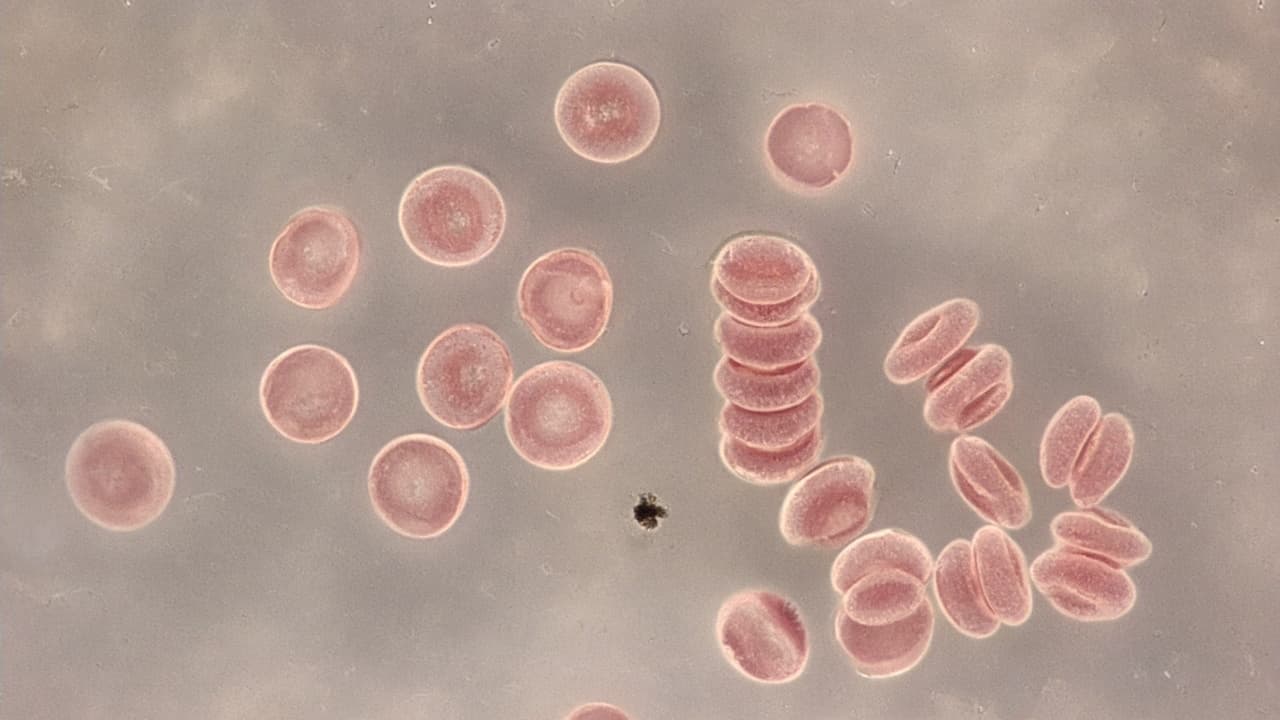
Fibrinogen–erythrocyte binding and AFM-based tools to read thrombotic and cardiovascular risk, including synthetic-erythrocyte work.
03
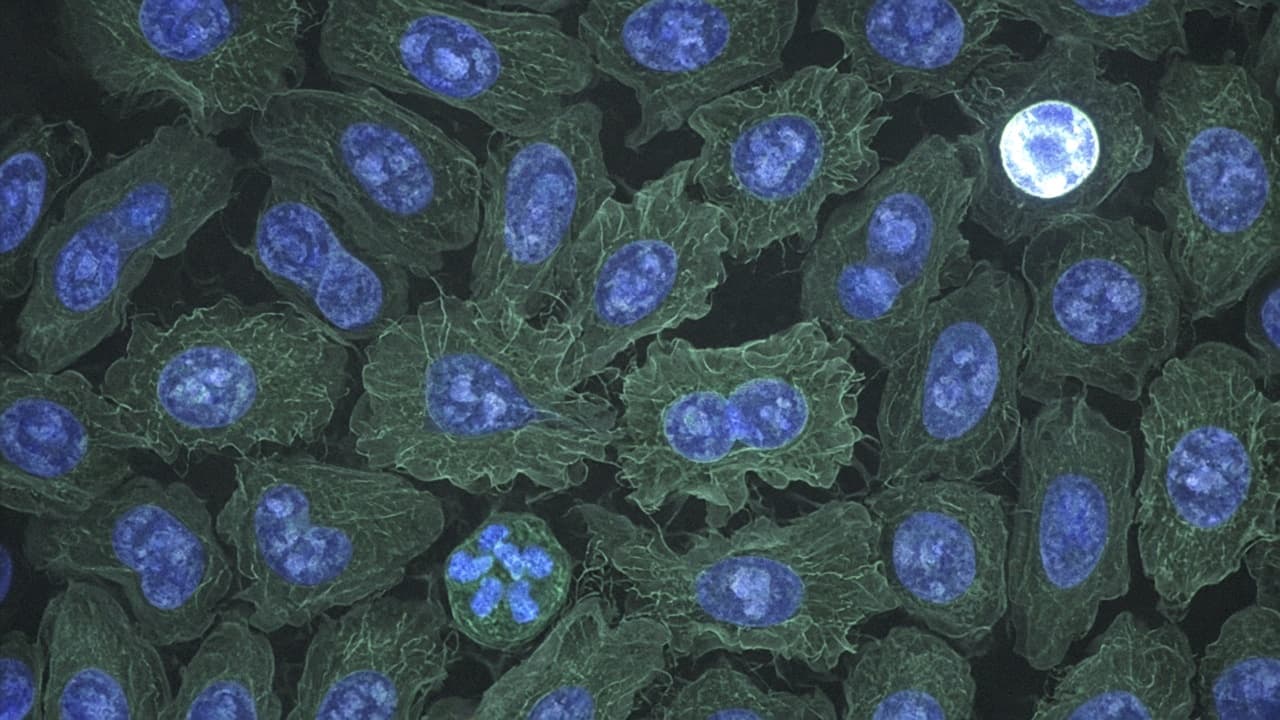
Membrane-active anticancer peptides and cell mechanics in tumour progression, from adhesions to nuclear biophysics.
Infectious diseases
From colony to field to citizen reports: Aedes work in the lab, including Wolbachia as a transmission-blocking symbiont.
01
ACL-2 colonies in Lisbon for Aedes (and related mosquitoes), coupled to infection work for vector competence.
02
Methods to establish Wolbachia symbiosis in Aedes aegypti — including oral feeding — towards blocking flavivirus transmission.
03
Field ovitraps hosted at GIMM/FMUL, SMART-DIET tools for Aedes albopictus, and OneVec — this lab’s citizen surveillance platform, with support from Universidade Lusófona FMV.
Lab platforms
An ACL-2 insectary, a field ovitrap network and OneVec — three platforms of the infectious-disease programme, each with its own site.
01
ACL-2 mosquito rearing in Lisbon, integrated with infection studies for vector competence research.
02
Field ovitrap surveillance for invasive Aedes in Portugal, from egg collections to laboratory identification — a platform of this lab, hosted at GIMM/FMUL.
03
Citizen One Health surveillance of mosquitoes, ticks, sand flies, fleas and Culicoides — a platform of this lab, with support from Universidade Lusófona FMV and GIMM.
Ongoing programmes funded by FCT, EU Horizon, Compete 2030 and international consortia.
Development of biopigments for sustainable dyeing and printing.
Participation: Nuno Santos
Targeted multiplexed lipid nanocarriers against drug-resistant bacterial biofilm.
Participation: Nuno Santos
Age-defying nucleus: targeting plasmalogens to reverse age-induced biomechanical decline.
Coordinator: Nuno Santos
Next-generation tools for surveillance and control of Aedes albopictus, a major vector of dengue and Zika viruses.
Coordinator: Gonçalo Seixas
Bottom-up reconstruction of a synthetic erythrocyte: biophysical properties, biomechanical assessment and cell–cell interactions.
Coordinator: Nuno Santos
2023–2025
Integrated antiviral discovery platform of broad-spectrum small-molecule inhibitors of viral targets from priority preparedness pathogens.
Coordinator: Nuno Santos · EU ISIDORe JRA
2023–2024
Mutual reinforcement of antibacterial activity in AMP–silver nanoparticle conjugates.
Coordinator: Sónia Gonçalves · FCT
2023–2024
Biophysical studies of flavivirus capsid protein interactions with key biological targets toward future inhibition.
Coordinator: Ivo Martins · FCT
2023–2024
Single-cell platform to validate material scaffolds and drugs for enhanced osteointegration of biomedical implants.
Coordinator: Nuno Santos · PRR
2022–2024
Cooperative mechanical coupling of adherens junctions and focal adhesions supporting breast cancer progression.
Coordinator: Nuno Santos · FCT
2022–2024
Nano-coatings for prosthetics based on microbial phenazines conjugated with silver nanostars.
Coordinator: Pedro Castro · Fundação “la Caixa”
2021–2024
Fibrinogen–erythrocyte interaction as a new approach for early detection of thrombotic events in vascular diseases.
Coordinator: Nuno Santos · FCT
ULisboa / Caixa Geral de Depósitos Prize (Biology, Biological Engineering, Biochemistry and Biotechnology)
ULisboa / Caixa Geral de Depósitos Prize (Biology, Biological Engineering, Biochemistry and Biotechnology)
Dr. José Luís Champalimaud Prize on HIV Research (Applied Research and Technologies)
Dr. José Luís Champalimaud Prize on HIV Research (Basic Research)
Calouste Gulbenkian Foundation Prize in Biophysics
Researchers, students and staff driving biomembranes and nanomedicine at GIMM.
View team